Unlocking the Archetypes of Tarot: A Jungian and Hero's Journey Exploration of the Collective Unconscious

Tarot is often seen as just a mystical tool for divination, or is lumped in with New Age spirituality, but its true power lies deeper. When we explore tarot through the lens of archetypes, especially using a Jungian framework and comparing the Hero's Journey (implicit in the card sequencing), we open new pathways of understanding.
Tarot becomes more than cards; it becomes a mirror reflecting the collective unconscious and the unity of all things. This perspective transforms tarot readings into profound journeys of self-discovery and spiritual insight.
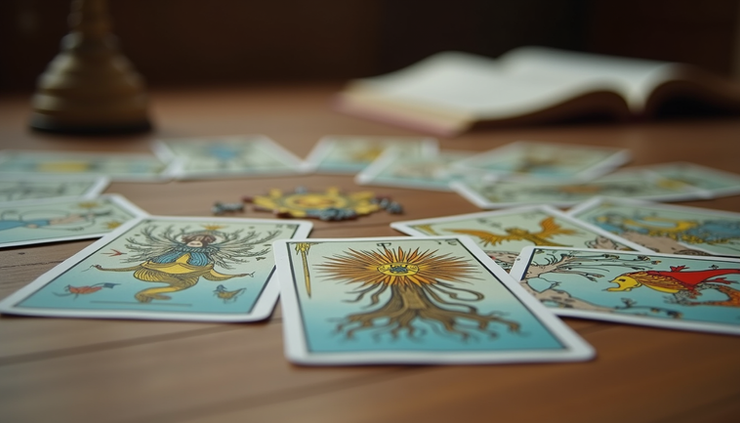
Understanding Tarot Through Archetypes
Archetypes are universal symbols and themes that appear across cultures and time. Carl Jung introduced the idea that these archetypes live in the collective unconscious—a shared reservoir of human experience and wisdom. Tarot cards are rich with these archetypes, from the Fool’s innocence and potential to the Magician’s mastery and transformation.
Each tarot card represents a character or force within the psyche. For example:
The Empress embodies nurturing, creativity, and abundance. (Great Mother to Jung)
The Tower symbolizes sudden change, upheaval, and revelation. (Enantiodromia/Collapse
The Hermit reflects introspection, wisdom, and solitude. (Wise Old Man/Mentor)
By recognizing these archetypes, tarot invites us to explore parts of ourselves and the world that often remain hidden. This approach shifts tarot from fortune-telling to a tool for psychological and spiritual growth (which really is the essence of 'fortune-telling' through the means of manifesting with aligned behaviors and beliefs).
The Jungian Framework and Tarot
Jung’s work helps us see tarot as a map of the inner world. He believed that engaging with archetypes allows us to integrate unconscious material, leading to wholeness. Tarot cards act as prompts for this integration by shining a light on hidden corners and unveiling hallways that may have stayed unknowable.
For example, when you draw The Shadow archetype (sometimes The Moon or The Devil in tarot) in an oracle reading, you might ask:
What parts of myself am I avoiding?
How can I bring light to my hidden fears or desires?
These questions are not about predicting the future but about illuminating corners of the psyche that need attention. Tarot, in this way, supports a journey toward self-awareness and healing.
The Hero’s Journey in Tarot
Joseph Campbell’s Hero’s Journey is a narrative pattern found in myths (and novels) worldwide. It describes a hero who leaves the ordinary world, faces trials, gains wisdom, and returns transformed. Tarot’s Major Arcana closely follows this journey, making it a powerful storytelling and spiritual tool.
Consider the progression:
The Fool begins the journey, full of potential but unaware of challenges ahead.
The Lovers represent choices and relationships that shape the path.
Death signals transformation and the end of old patterns.
The World marks completion and integration.
By viewing tarot through the Hero’s Journey, each reading becomes a story of growth. This framework encourages us to see our struggles and triumphs as part of a larger, meaningful process.

Tarot and the Collective Unconscious: Unity in Diversity
Tarot connects us to the collective unconscious, reminding us that our personal experiences are part of a larger human story. This connection fosters a sense of unity and belonging. When we engage with tarot, we tap into shared symbols and stories that transcend individual differences.
This unity is especially relevant in New Age spirituality, where the emphasis is on interconnectedness and holistic understanding. Tarot becomes a bridge between the personal and the universal, offering insights that resonate on multiple levels.
Practical Ways to Use Tarot with These Frameworks
To deepen your tarot practice using archetypes, the Jungian framework, and the Hero’s Journey, try these approaches:
Journal your readings: Write down the cards you draw and reflect on what archetypes they represent in your life.
Ask open-ended questions: Instead of yes/no queries, explore what the cards reveal about your inner journey.
Map your Hero’s Journey: Use the Major Arcana to chart your personal growth and challenges.
Meditate on archetypes: Focus on a card’s image and symbolism to connect with its energy.
Combine tarot with other spiritual practices: Use oracle readings alongside meditation or energy work to enhance insight.
These methods help you move beyond surface-level interpretations and engage tarot as a tool for transformation.
Why Tarot’s Value Lies in New Frameworks and Questions
The true gift of tarot is not in predicting outcomes but in the new frameworks and questions it invites us to explore. Tarot opens doors to parts of ourselves and the universe that we might never have considered. It illuminates hidden corners, offering fresh perspectives and deeper understanding.
By embracing tarot through archetypes, the Jungian framework, and the Hero’s Journey, we enrich our spiritual practice and personal growth. Tarot becomes a guide, a companion on the path to wholeness and unity.


Comments